%20--%3e%3cdefs%3e%3cstyle%3e%20.st0%20{%20fill:%20%23a5d028;%20}%20.st1%20{%20fill:%20%23fff;%20}%20.st2%20{%20fill:%20%231de2db;%20}%20.st3%20{%20fill:%20%2341bdf9;%20}%20%3c/style%3e%3c/defs%3e%3cg%20id='logo-unaice-line'%3e%3cpath%20class='st1'%20d='M143.3,36.1c-1.2,0-2.1-.9-2.1-2.1V12.2c0-1.2.9-2.1,2.1-2.1s2.1.9,2.1,2.1v21.8c0,1.2-.9,2.1-2.1,2.1ZM143.2,6.2c-1.3,0-2.4-1-2.4-2.4v-.8c0-1.3,1-2.4,2.4-2.4s2.4,1.1,2.4,2.4v.8c0,1.3-1.1,2.4-2.4,2.4Z'/%3e%3cpath%20class='st3'%20d='M23.7,36.1H2c-.5,0-1-.4-1-1V2.3c0-.5.4-1,1-1h21.7c.5,0,1,.4,1,1v32.9c0,.5-.4,1-1,1'/%3e%3cpath%20class='st2'%20d='M41.8,36.1h-14.4c-.5,0-1-.4-1-1v-14.5c0-.5.4-1,1-1h14.4c.5,0,1,.4,1,1v14.5c0,.5-.4,1-1,1'/%3e%3cpath%20class='st0'%20d='M41.8,17.9h-14.4c-.5,0-1-.4-1-1V2.2c0-.5.4-1,1-1h14.4c.5,0,1,.4,1,1v14.7c0,.5-.4,1-1,1'/%3e%3c/g%3e%3cpath%20class='st1'%20d='M196.4,29.2c-2.1,2.1-3.6,3.2-7.1,3.2s-7.4-2.3-8.2-7.4h16.7c2.7,0,2.9-1.9,2.7-4-.7-6.2-5.3-11.2-11.6-11.2s-12.3,5.1-12.3,13.4,5.4,13.3,12.6,13.3,8.3-2.6,10-4.3c1.8-2.1-1.2-4.7-2.8-3ZM188.9,13.7c4.7,0,7.3,4.1,7.6,7.3h-15.3c.7-4.3,3.4-7.3,7.7-7.3Z'/%3e%3cpath%20class='st1'%20d='M132.1,12.9c-1.9-1.9-5.4-2.9-8.2-2.9s-5.3.5-8.2,1.8c-2.4,1-.9,5,1.6,3.7,2.1-1,3.3-1.5,6.3-1.5s6.7,1.1,6.8,6.1c-1.8-.5-2.7-.8-6.9-.8-6.8,0-11.3,3.3-11.3,8.8s4.1,8.4,10.1,8.4,5.4-.6,8.3-2.9v.5c0,2.8,4.2,2.6,4.2,0v-13.8c0-3.1-.8-5.5-2.7-7.4ZM130.4,26.2c0,3.6-3.4,6.3-8,6.3s-5.9-1.7-5.9-4.6,2.5-4.6,6.8-4.6c0,0,4.8,0,7.1,1v1.9Z'/%3e%3cpath%20class='st1'%20d='M80,36.1c-1.2,0-2.1-.9-2.1-2.1V3.4c0-1.2,1-2.2,2.2-2.2h.4c.8,0,1.4.4,2,1.1l20.2,25.7V3.4c0-1.2.9-2.1,2.1-2.1s2.1.9,2.1,2.1v30.7c0,1.1-.5,2-1.9,2s-1.9-.8-2.2-1.2l-20.7-26.2v25.3c0,1.2-.9,2.1-2.1,2.1Z'/%3e%3cpath%20class='st1'%20d='M60.2,36.5c-5.1,0-10.5-4.3-10.5-10.7v-13.5c0-1.2.9-2.1,2.1-2.1s2.1.9,2.1,2.1v13.1c0,4.5,2.5,7.1,6.6,7.1s7.3-3.2,7.3-7.5v-12.7c0-1.2.9-2.1,2.1-2.1s2.1.9,2.1,2.1v21.8c0,2.8-4.2,2.7-4.2,0v-.5c-1.5,1.6-3.3,2.9-7.6,2.9Z'/%3e%3cpath%20class='st1'%20d='M163.8,36.5c-7.1,0-13.1-6-13.1-13.3s4.8-13.5,13.5-13.5c4.4,0,6.9,2,8.8,3.7,1.8,1.5-.8,5.1-2.8,3.3-.8-.8-3.3-3-6.4-3-4.8,0-8.6,4-8.6,9.2s3.8,9.3,8.6,9.4c3.7,0,4.9-1,7-3.1,1.6-1.8,4.6,1,3,2.8-3,3-5.7,4.5-10,4.5h0Z'/%3e%3c/svg%3e)
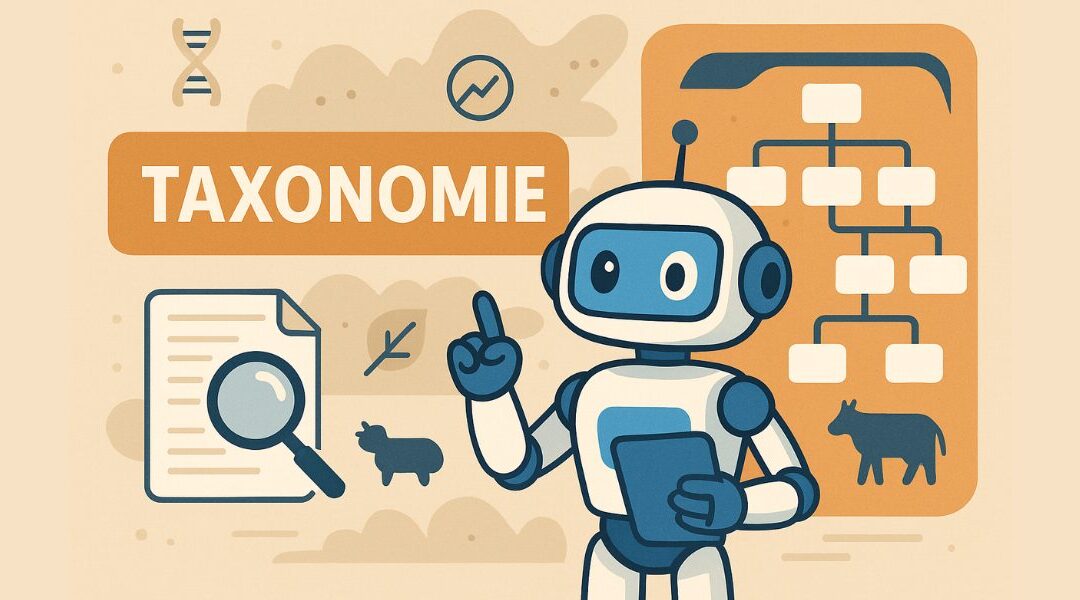
Taxonomy describes the systematic classification of objects, living beings, or data. The term comes from the Greek word τάξις, which means “order”. Whether in biology, economics, or the world of data, taxonomy helps to create structures everywhere. This is precisely why many companies today are looking for ways to organize large amounts of information in a clear manner. Often, a non-binding consultation is all it takes, for example, about modern solutions such as DataNaicer, which automatically structures complex data sets.
What is the definition of taxonomy?
The definition first describes the purpose: things must be clearly identifiable. In biology, living organisms are classified into taxa, genera, species, phyla, and other levels. This process follows clear rules and a hierarchical classification, often represented as a tree structure. A helpful introduction can also be found in the Wikipedia article on taxonomy.

The role of classification in biology and economics
While biology relies on precise nomenclature, economics uses taxonomy for product data, categories, or legal requirements. The European Commission defined its own structure within the framework of the Disclosure Regulation to classify sustainable economic activities. The German Federal Ministry for the Environment explains this clearly at this link.
Taxonomy is also becoming increasingly important in product data management, as described in the PIM section: https://unaice.com/en/blog/product-information-management-pim/
Literature on classification and its significance
Good literature shows how taxonomy is applied in various fields. In the medical field, clear descriptions can be found in the DocCheck Flexikon.
Each publication follows its own structure, but always with the goal of better definition and description. Industry standards such as ETIM, ECLASS, and catalog exchange via BMEcat also use taxonomies or fixed structures for comparability.

Modern data taxonomies and why monohierarchical structures are often no longer sufficient
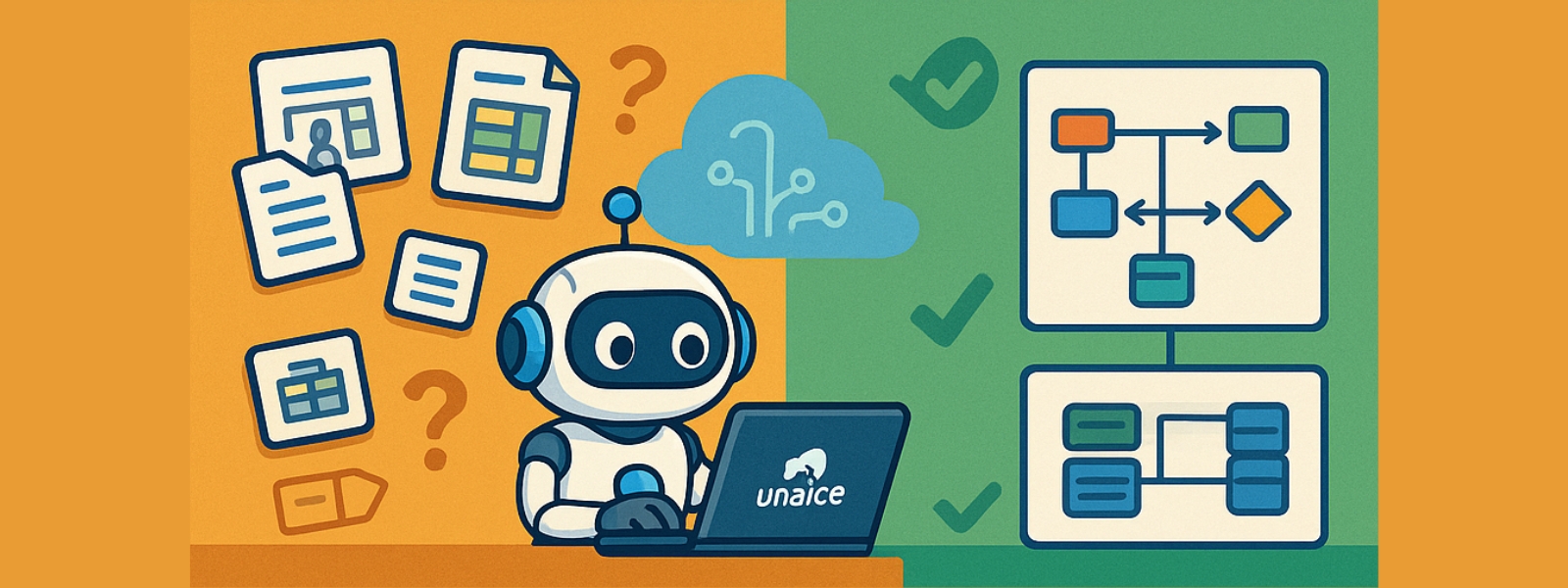
Traditional taxonomies are based on a monohierarchical structure. However, in practice—especially with product data—this structure quickly becomes too restrictive. Different manufacturers provide information in varying descriptions, formats, and levels of detail. Companies therefore often have to adapt and use new procedures to create order.
Why good software determines success or failure
Choosing the right software is one of the most important decisions in e-commerce. It influences not only the shop structure, but also the presentation of products, transactions, warehousing, and communication with customers. Without functioning systems, a good offer can quickly turn into a poor purchasing process.
This often raises the question: Should you combine everything in one system or use modular solutions? Both options offer advantages. The important thing is that the software meets your personal requirements and can be adapted to new requirements—without additional bureaucracy or unnecessary detours.
A good example of a central data solution is the use of DataNaicer. Here, a flexible model based on defined rules and intelligent AI is used to enrich every piece of information where it is needed—automatically, in any desired language, and without media discontinuity. This turns technical requirements into a real competitive advantage.
Conclusion – Taxonomy is relevant everywhere
Taxonomy connects biology, technology, economics, and data management. It ensures order, clear structures, and better decisions. Whether you run a web shop, sort large amounts of data, or create new categories: A clean taxonomy is always the foundation. Modern AI systems such as DataNaicer support this work efficiently and reliably. Those who start early benefit in the long term – in terms of overview, speed, and quality.