%20--%3e%3cdefs%3e%3cstyle%3e%20.st0%20{%20fill:%20%23a5d028;%20}%20.st1%20{%20fill:%20%23fff;%20}%20.st2%20{%20fill:%20%231de2db;%20}%20.st3%20{%20fill:%20%2341bdf9;%20}%20%3c/style%3e%3c/defs%3e%3cg%20id='logo-unaice-line'%3e%3cpath%20class='st1'%20d='M143.3,36.1c-1.2,0-2.1-.9-2.1-2.1V12.2c0-1.2.9-2.1,2.1-2.1s2.1.9,2.1,2.1v21.8c0,1.2-.9,2.1-2.1,2.1ZM143.2,6.2c-1.3,0-2.4-1-2.4-2.4v-.8c0-1.3,1-2.4,2.4-2.4s2.4,1.1,2.4,2.4v.8c0,1.3-1.1,2.4-2.4,2.4Z'/%3e%3cpath%20class='st3'%20d='M23.7,36.1H2c-.5,0-1-.4-1-1V2.3c0-.5.4-1,1-1h21.7c.5,0,1,.4,1,1v32.9c0,.5-.4,1-1,1'/%3e%3cpath%20class='st2'%20d='M41.8,36.1h-14.4c-.5,0-1-.4-1-1v-14.5c0-.5.4-1,1-1h14.4c.5,0,1,.4,1,1v14.5c0,.5-.4,1-1,1'/%3e%3cpath%20class='st0'%20d='M41.8,17.9h-14.4c-.5,0-1-.4-1-1V2.2c0-.5.4-1,1-1h14.4c.5,0,1,.4,1,1v14.7c0,.5-.4,1-1,1'/%3e%3c/g%3e%3cpath%20class='st1'%20d='M196.4,29.2c-2.1,2.1-3.6,3.2-7.1,3.2s-7.4-2.3-8.2-7.4h16.7c2.7,0,2.9-1.9,2.7-4-.7-6.2-5.3-11.2-11.6-11.2s-12.3,5.1-12.3,13.4,5.4,13.3,12.6,13.3,8.3-2.6,10-4.3c1.8-2.1-1.2-4.7-2.8-3ZM188.9,13.7c4.7,0,7.3,4.1,7.6,7.3h-15.3c.7-4.3,3.4-7.3,7.7-7.3Z'/%3e%3cpath%20class='st1'%20d='M132.1,12.9c-1.9-1.9-5.4-2.9-8.2-2.9s-5.3.5-8.2,1.8c-2.4,1-.9,5,1.6,3.7,2.1-1,3.3-1.5,6.3-1.5s6.7,1.1,6.8,6.1c-1.8-.5-2.7-.8-6.9-.8-6.8,0-11.3,3.3-11.3,8.8s4.1,8.4,10.1,8.4,5.4-.6,8.3-2.9v.5c0,2.8,4.2,2.6,4.2,0v-13.8c0-3.1-.8-5.5-2.7-7.4ZM130.4,26.2c0,3.6-3.4,6.3-8,6.3s-5.9-1.7-5.9-4.6,2.5-4.6,6.8-4.6c0,0,4.8,0,7.1,1v1.9Z'/%3e%3cpath%20class='st1'%20d='M80,36.1c-1.2,0-2.1-.9-2.1-2.1V3.4c0-1.2,1-2.2,2.2-2.2h.4c.8,0,1.4.4,2,1.1l20.2,25.7V3.4c0-1.2.9-2.1,2.1-2.1s2.1.9,2.1,2.1v30.7c0,1.1-.5,2-1.9,2s-1.9-.8-2.2-1.2l-20.7-26.2v25.3c0,1.2-.9,2.1-2.1,2.1Z'/%3e%3cpath%20class='st1'%20d='M60.2,36.5c-5.1,0-10.5-4.3-10.5-10.7v-13.5c0-1.2.9-2.1,2.1-2.1s2.1.9,2.1,2.1v13.1c0,4.5,2.5,7.1,6.6,7.1s7.3-3.2,7.3-7.5v-12.7c0-1.2.9-2.1,2.1-2.1s2.1.9,2.1,2.1v21.8c0,2.8-4.2,2.7-4.2,0v-.5c-1.5,1.6-3.3,2.9-7.6,2.9Z'/%3e%3cpath%20class='st1'%20d='M163.8,36.5c-7.1,0-13.1-6-13.1-13.3s4.8-13.5,13.5-13.5c4.4,0,6.9,2,8.8,3.7,1.8,1.5-.8,5.1-2.8,3.3-.8-.8-3.3-3-6.4-3-4.8,0-8.6,4-8.6,9.2s3.8,9.3,8.6,9.4c3.7,0,4.9-1,7-3.1,1.6-1.8,4.6,1,3,2.8-3,3-5.7,4.5-10,4.5h0Z'/%3e%3c/svg%3e)
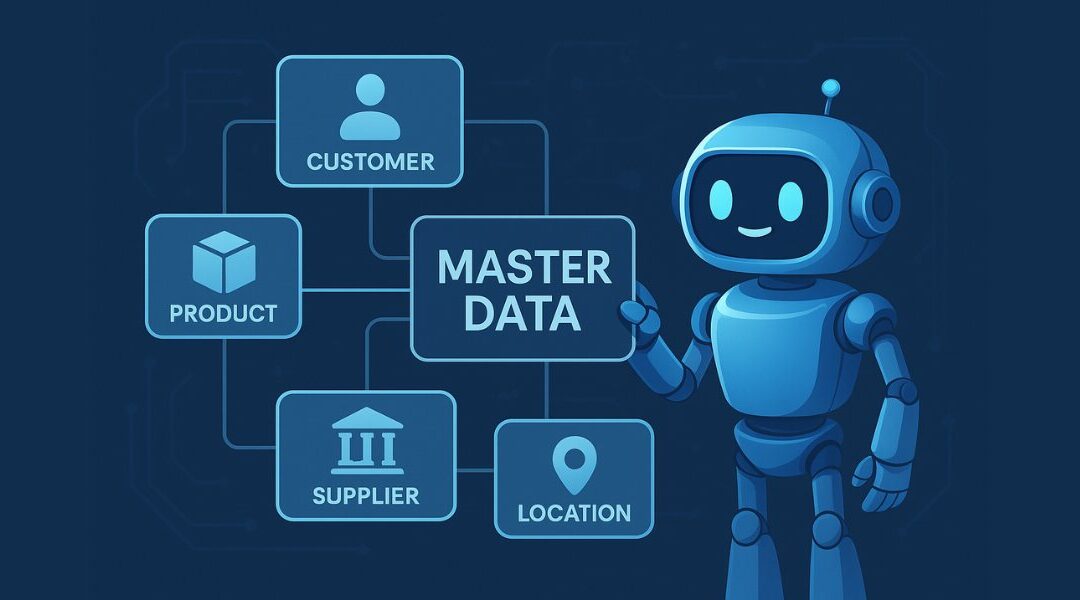
In modern companies, the amount of information grows daily. If you want to keep track of everything, you need to have your master data under control. But what exactly does that mean? In short, it is the master data that plays a key role for the company throughout its entire life cycle.
Gemeint sind unter anderem Produktdaten, Kundendaten, Lieferantendaten oder Standortdaten – also die Basis aller geschäftlichen Prozesse.
This includes product data, customer data, supplier data, and location data—in other words, the basis of all business processes.
Without central management, isolated data, duplicates, or incorrect information can quickly arise. The result: distorted evaluations, customer dissatisfaction, or even compliance violations. A well-designed master data management system prevents exactly that – and ensures a consistent, reliable data structure throughout the entire company.
👉 Companies that already intelligently network their data and enrich it automatically use tools such as DataNaicer, which works seamlessly with existing attributes and effortlessly converts complex product data into structured content.

The definition of master data management – explained simply
The definition of master data management (MDM) is simple: it is the discipline by which companies maintain central data consistently, correctly, and uniformly – across systems, departments, and applications. As IBM describes it, it is a “comprehensive approach to managing business-critical data” to ensure its quality and availability.
MDM is particularly indispensable in the digital environment: product data must look the same everywhere—in online shops, print catalogs, or marketplaces. Discrepancies lead to customer dissatisfaction, incorrect orders, or unnecessary queries. Tools such as DataNaicer help here with automated data enrichment, validated descriptions, and clear classification.
By using such a system, you can bring order to the chaos of data management – and take the efficiency of your processes to a new level.
💡 Reading tip: Wikipedia offers a detailed introduction with an article on the origin and systematics of master data in companies.

Why master data plays a strategic role throughout the company
Master data is not an IT issue, but a strategic asset. In an organization, clean data determines success or failure. Whether in sales, purchasing, or controlling:
All departments access the same database—or at least they should. A good MDM system improves internal communication, speeds up processes, and secures data for a longer period of time.
Without clear data structures, erroneous analyses are inevitable. Especially when evaluating sales figures, delivery times, or inventory turnover, a weak database leads to wrong decisions. Companies that want to avoid this should standardize their data provision – with clear rules and consistent workflows.
nexoma provides a best practice example with a clear introduction to MDM strategies for small and medium-sized businesses. ecosio also demonstrates in a practical way the potential offered by a well-designed data model.
📌 Internal link: For an in-depth look at how PIM systems function as the foundation for clean master data , we recommend our article on product information management.
The most common challenges in master data management
Effective master data management stands and falls with data quality. Typical sources of error arise particularly in the initial phase of implementation—or when changing existing systems:
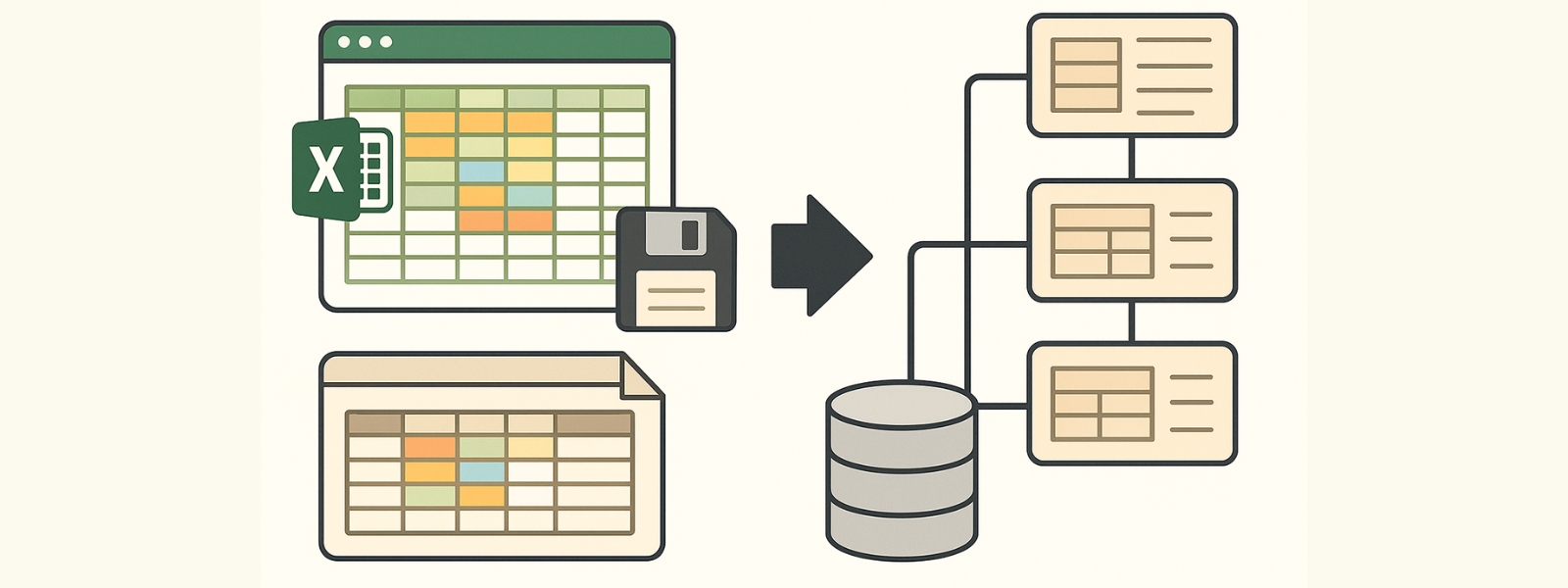
The use of unstructured data—such as from catalogs, PDFs, or external sources—in particular quickly leads to duplicates. Companies that regularly work with supplier catalogs know how tedious manual transfer and maintenance can be.
👉 A tool such as DataNaicer can drastically reduce this effort: The AI recognizes relevant values and automatically transfers them into a uniform structure – adapted to the requirements of the company.

The role of data enrichment and automation
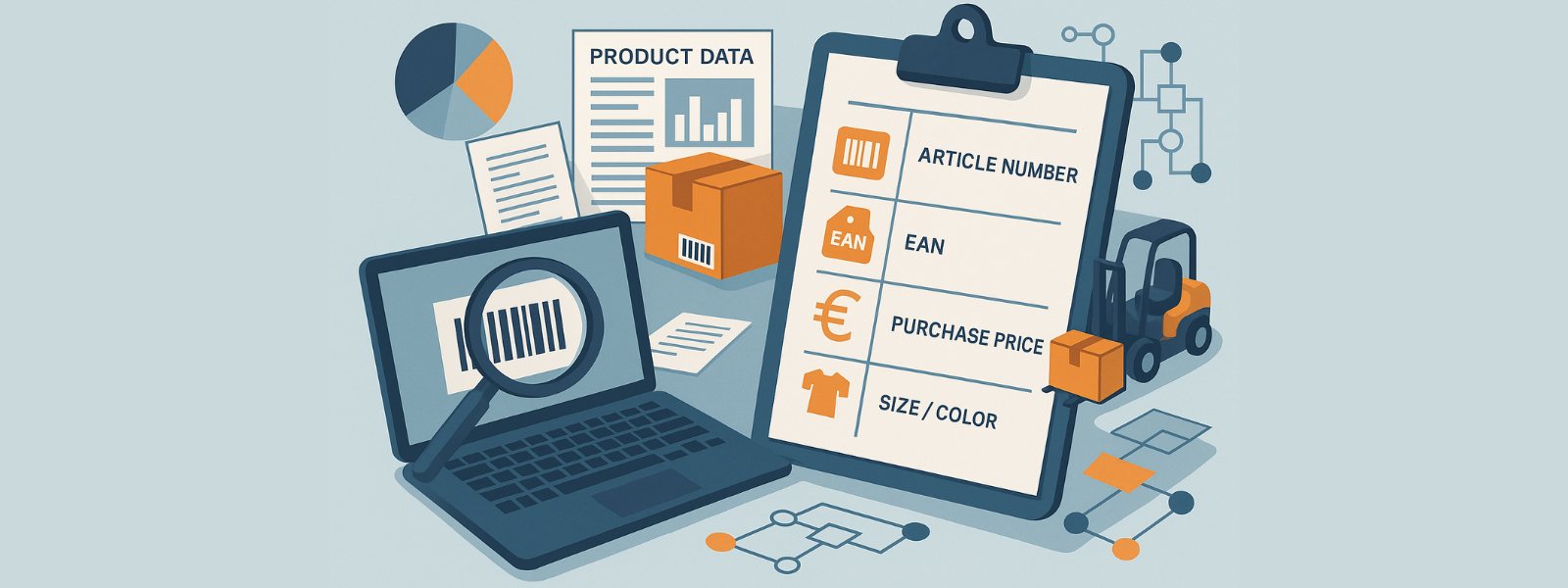
A central discipline in master data management is enrichment: This refers to supplementing existing master data with additional attributes that are relevant to day-to-day business. These include dimensions, technical properties, regional assignments, or market classifications.
This type of creation is extremely time-consuming for humans. However, if your product data is complete and consistent, it not only increases usability in internal processes, but also findability in the online store.
A good example from practice: Companies that regularly analyze transaction data—such as returns, stock turnover, or sales trends—benefit enormously from a structured and automated database. This allows product managers to see at a glance which items are performing well in which region—and to take appropriate action.
External input: ecosio clearly explains why clean master data is essential for all downstream processes.
Implementing master data management in practice
A good concept is useless without proper implementation. The decisive factor is how the strategies are transferred into everyday business life—and how the teams are involved in the process. The most successful projects show that:
In the best case scenario, master data maintenance becomes routine. This is achieved when technology takes over processes and humans validate them. This combination is crucial for availability, consistency, and trust.
📌 Internal link: For anyone who works with product information, this article shows how a modern PIM system contributes to the optimization of master data.
Literature, sources, and expertise: Why theory is just as important as practice
If you want to manage master data cleanly, you need not only technology and processes, but also sound background knowledge. The right literature and a solid understanding of data models, attribute structures, and classifications form the basis for every data-driven decision.
Reliable sources of information—whether reference books, white papers, or specialist portals—not only clarify terms, but also increase acceptance within the team. One central site that deals with the development and definition of master data is, for example, the free encyclopedia Wikipedia
DataNaicer as a strategic quality tool for master data management
Many companies have realized that manual maintenance of product data is not sustainable. The next step is often unclear: Where to start? How to integrate? And what happens to existing systems?
This is where DataNaicer comes into its own:
It analyzes unstructured sources (e.g., manufacturer data, Excel files) and generates structured, high-quality content from them—in the desired languages, exactly according to the company's requirements. This means that the relevant information is available exactly when it is needed—for example, when creating new articles or mapping to other systems.
A key advantage: DataNaicer automatically recognizes supplier attributes, uses AI for text creation, and assigns values correctly. This makes daily work easier—without the need for complex IT projects. At the same time, control over the data remains intact: clear rules and the Validation Station ensure that only verified content is published.
💡 Internal reading tip: Find out how the definition and quality of product data contribute to data strategy here.
Conclusion: The relevance of master data for the future of your company
Whether internal or external, without consistent master data, processes lose efficiency, employees lose clarity, and customers lose trust. The relevance is clear: only with clean data
The sooner companies start standardizing their master data, the easier it will be to respond to changing market conditions. After all, a specific event—such as new legal requirements or a system change—can occur at any time. Those who are prepared will gain a clear competitive advantage.
DataNaicer shows that automation does not mean a loss of control. On the contrary: clear structures, validated results, and transparent processes create a new quality in data handling.
And last but not least:
Investing in modern data solutions today secures the long-term existence of your company – with scalable processes, a strong data strategy, and a clear focus on quality.
📌 Final recommendation: If you want to make your database fit for MDM, you will find valuable information on import, structuring, and system integration in the Data Mapping & Migration article.